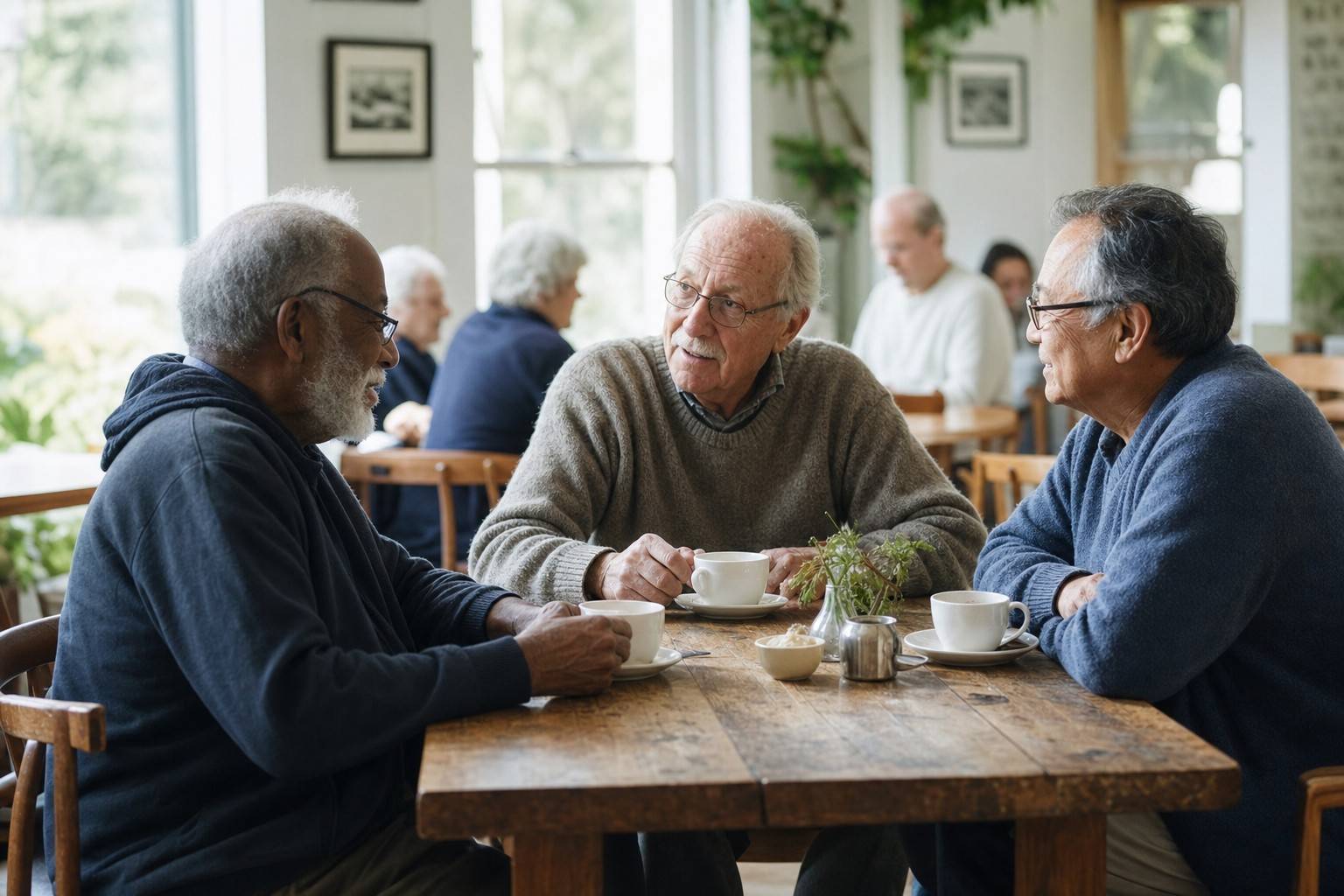
A quiet truth about later life: most of us will feel lonely at some point. After losing a partner, when family live far away, or simply when getting out becomes harder than it used to be.
It is common, it is nothing to be ashamed of, and it is not a personal failing.
What fewer people realise is that loneliness is about more than mood. A growing body of research links it to your physical health, which is exactly why it is worth taking seriously.
Loneliness is more common than people admit
Later life has a way of thinning out the connections we once took for granted. Retirement ends the daily company of colleagues. Friends and partners pass away. Aching knees or no easy transport make getting out harder than it was.
So if you feel lonely some of the time, you are in very good company. It is a normal response to real change, not a flaw in you.
Naming it honestly is the first step. The rest is practical.
What the research actually links it to
Here is the part that surprises people. Loneliness and social isolation are not just unpleasant feelings; they carry measurable health risks.
The US Centers for Disease Control and Prevention reports that social isolation and loneliness can raise the risk of heart disease and stroke, type 2 diabetes, depression and anxiety, dementia, and even earlier death.
The National Institute on Aging draws the same link, associating loneliness with higher risks of heart disease, depression and cognitive decline.
These are associations, not a verdict. Feeling lonely does not doom anyone to ill health. But the pattern is strong and consistent enough that major health bodies now treat social connection as a real part of staying well, alongside diet and exercise.
Why staying connected helps
The World Health Organization puts it plainly: high-quality social connections are essential to our mental and physical health.
You do not need a packed diary to feel the benefit. A few regular, genuine connections matter more than a crowded calendar.
Connection gives the day a shape, a reason to get up, and people who notice when something is wrong. Those are quietly powerful things.
Small ways to stay connected
The steps that work are usually small and repeatable, not grand gestures:
- A standing phone or video call with someone, at the same time each week
- A regular group with a built-in reason to show up: a class, a club, a place of worship, a lunch club
- Getting out where you will see familiar faces, even on a short daily walk
- A shared meal with a neighbour or friend, which tends to do you good twice over
- Volunteering, which quietly trades feeling lonely for feeling needed
- A little help with technology, so a video call with the grandchildren is one tap away
Pick one. A single regular connection beats a dozen good intentions.
When it is more than loneliness
Sometimes low feelings run deeper than loneliness. If you have felt persistently down, hopeless, or lost interest in things for more than a couple of weeks, please mention it to your GP.
Loneliness and depression are closely linked, and both can be helped.
Reaching out is a strength, never a burden.
Think of connection the way you think of a daily walk: an ordinary habit that quietly protects your health. One call, one class, one shared cup of tea at a time.
This article is general information, not medical advice. If you are struggling with your mood or feel persistently low, speak to your GP; in the UK, Age UK also runs a free advice line for older people.
Leave a Reply