Food used to feel like the easy part. Now a full plate looks like too much, meals feel like an effort, and hunger does not always show up on schedule.
A smaller appetite is one of the most common changes people notice in their 60s and beyond.
It is worth taking seriously, because eating too little over time can quietly chip away at muscle, energy and resilience. There is plenty you can do about it, though.
Why appetite fades
Understanding what is behind it helps.
Taste and smell tend to change as we get older, which makes food less appealing. Some medicines affect appetite as a side effect. Dental discomfort or ill-fitting dentures can make chewing harder than it should be.
Eating alone, day after day, removes the social pull that once made mealtimes feel like an occasion.
None of this means you are unwell. But if you have noticed a real change, it is worth being aware of it.
Smaller meals, more often
The most practical shift many people make is moving away from three big plates a day.
If a full cooked meal feels like too much right now, try smaller amounts spread through the day instead. A poached egg on toast mid-morning, a bowl of soup at noon, a small portion in the early evening, and something easy in between.
You do not have to eat a lot at once to eat enough.
Keep a few ready-to-eat options in easy reach: a pot of yoghurt, a handful of nuts, a couple of crackers and cheese. When appetite is low, convenience matters.
Make every bite count
When you are eating less than you used to, the quality of what you eat matters more.
Focus on foods that carry both protein and energy: eggs, fish, full-fat dairy, beans and pulses, meat if you enjoy it. A small piece of cheese, a boiled egg, a spoonful of peanut butter on toast.
Protein is the one nutrient most worth protecting as you get older, because it helps keep muscles from wasting quietly in the background.
Fortified foods can help too. Full-fat milk in your tea, butter on your vegetables, a splash of cream in a soup. When appetite is small, adding a little energy to the foods you are already eating is a gentle way to fill the gap.
Keep easy food within reach
Stock your kitchen for the days when cooking feels like too much.
Tins of soup, sardines, baked beans, tinned fruit and ready-cooked pulses all need very little effort and keep for months. A packet of oatcakes. Some good cheese. Frozen vegetables you can heat in minutes.
A well-stocked kitchen saves the days when energy is low.
If shopping has become a difficulty, many supermarkets now deliver, or you can ask a family member or neighbour to help with a weekly shop.
Make meals worth sitting down for
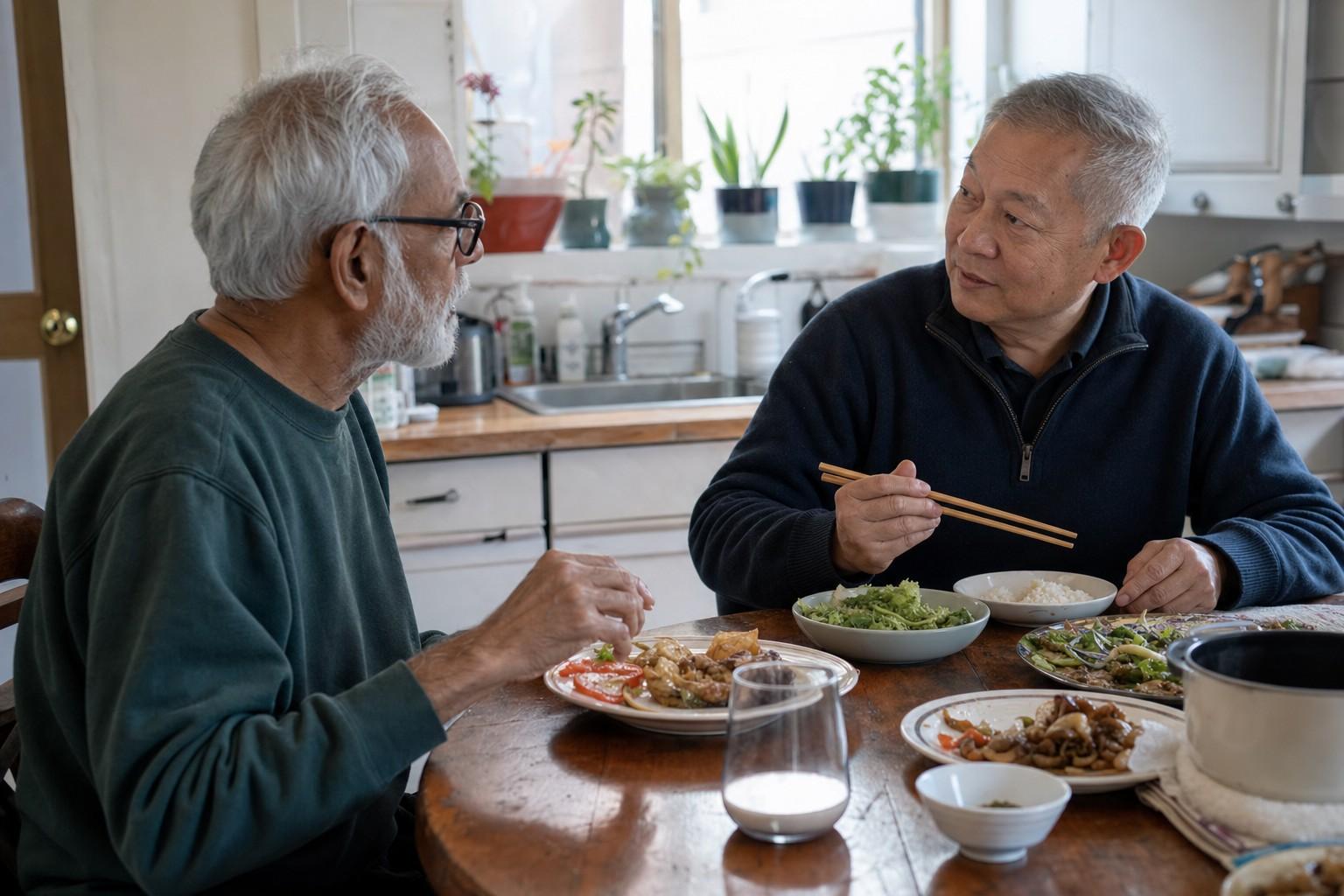
Eating alone can make it hard to stay motivated about food.
A meal eaten in front of the television feels different from one eaten at the table, and eating with someone feels different again. If you can arrange to share a meal with a friend or neighbour once or twice a week, most people find they eat more without even thinking about it.
A lunch club, a community cafe, or simply inviting someone over does the same thing.
Meals eaten with others tend to be bigger, slower and more enjoyable. That is not a small thing.
Setting the table properly, choosing something you genuinely like, and sitting down without distraction can make a difference even when you eat alone.
Stay hydrated too
Thirst often fades with age in the same way hunger does. It is easy to drink less than your body needs without realising it.
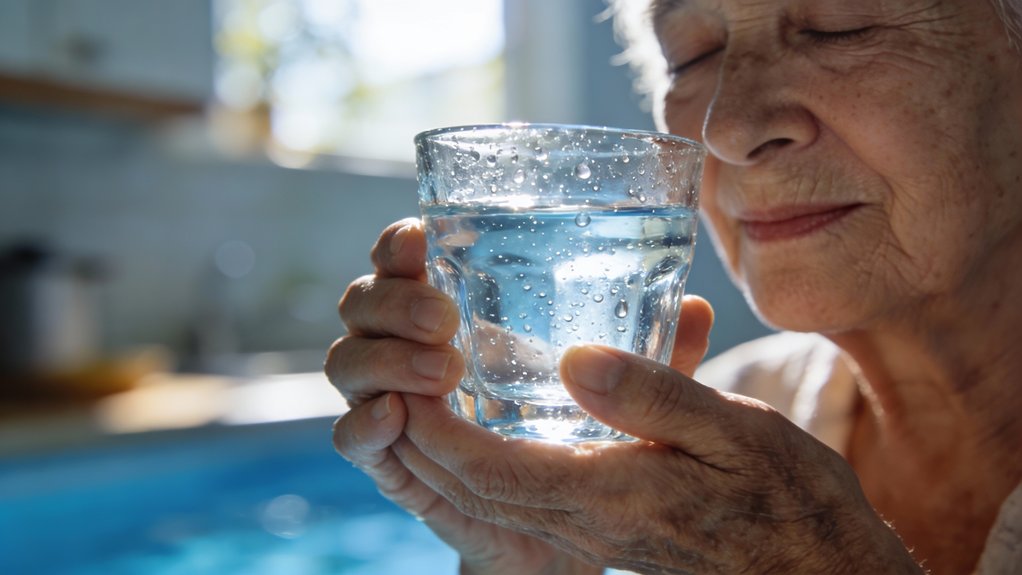
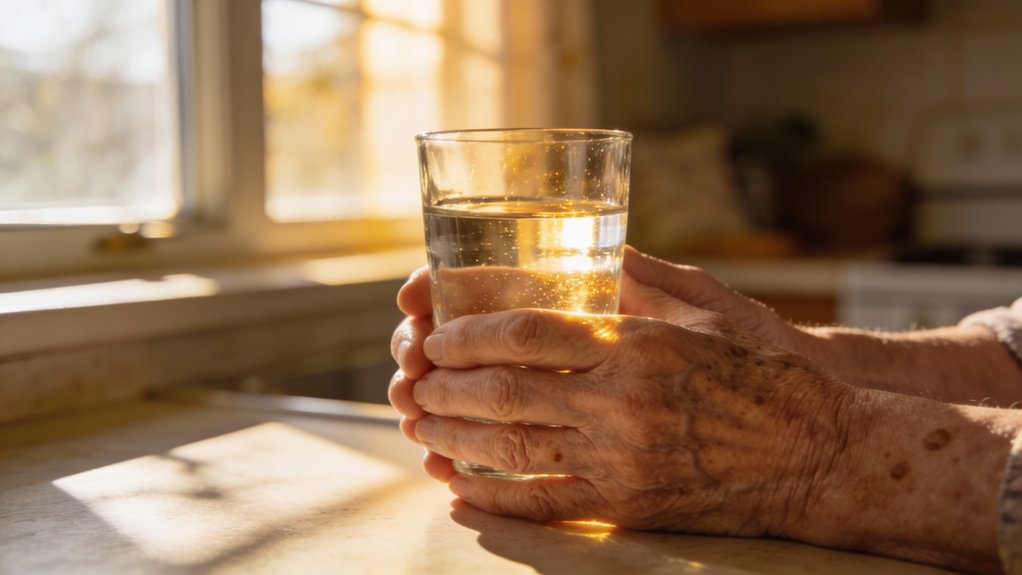
You can read more about staying hydrated as an older adult on this site. The short version: aim for six to eight cups of fluid through the day, and keep a glass of water in a visible spot as a simple reminder.
Good hydration also keeps energy steadier, which can make the idea of food more appealing.
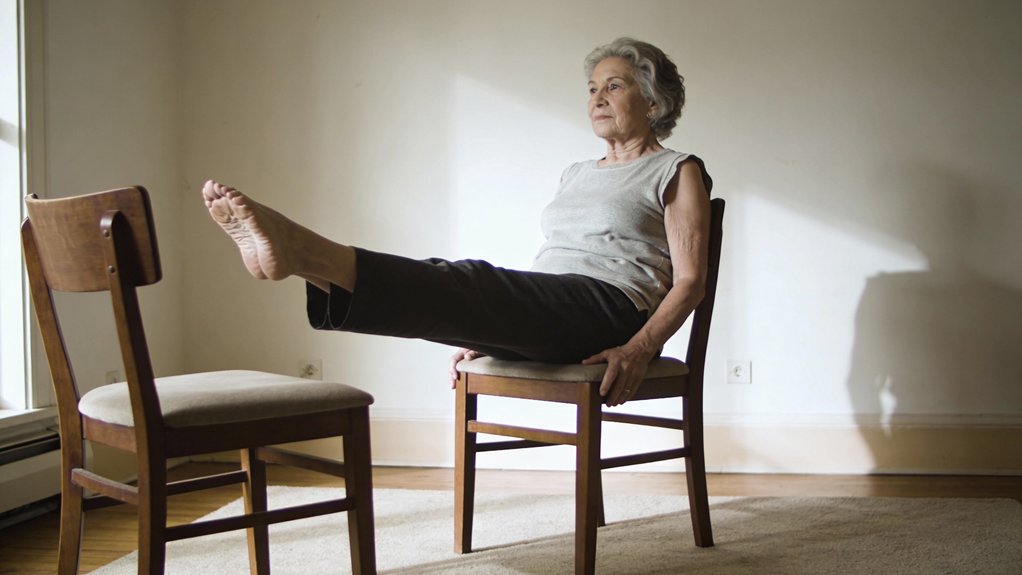
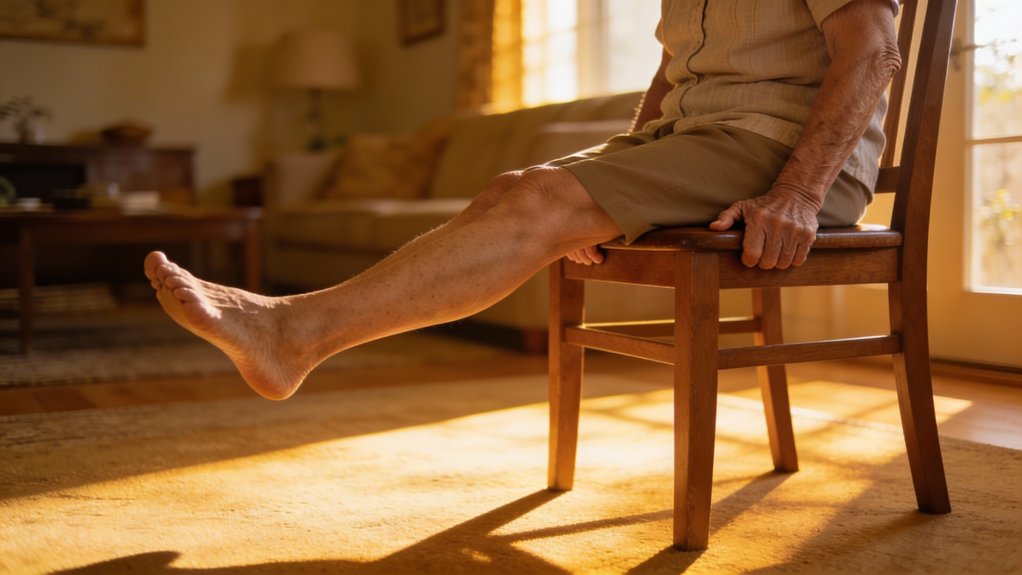
Gentle movement can help
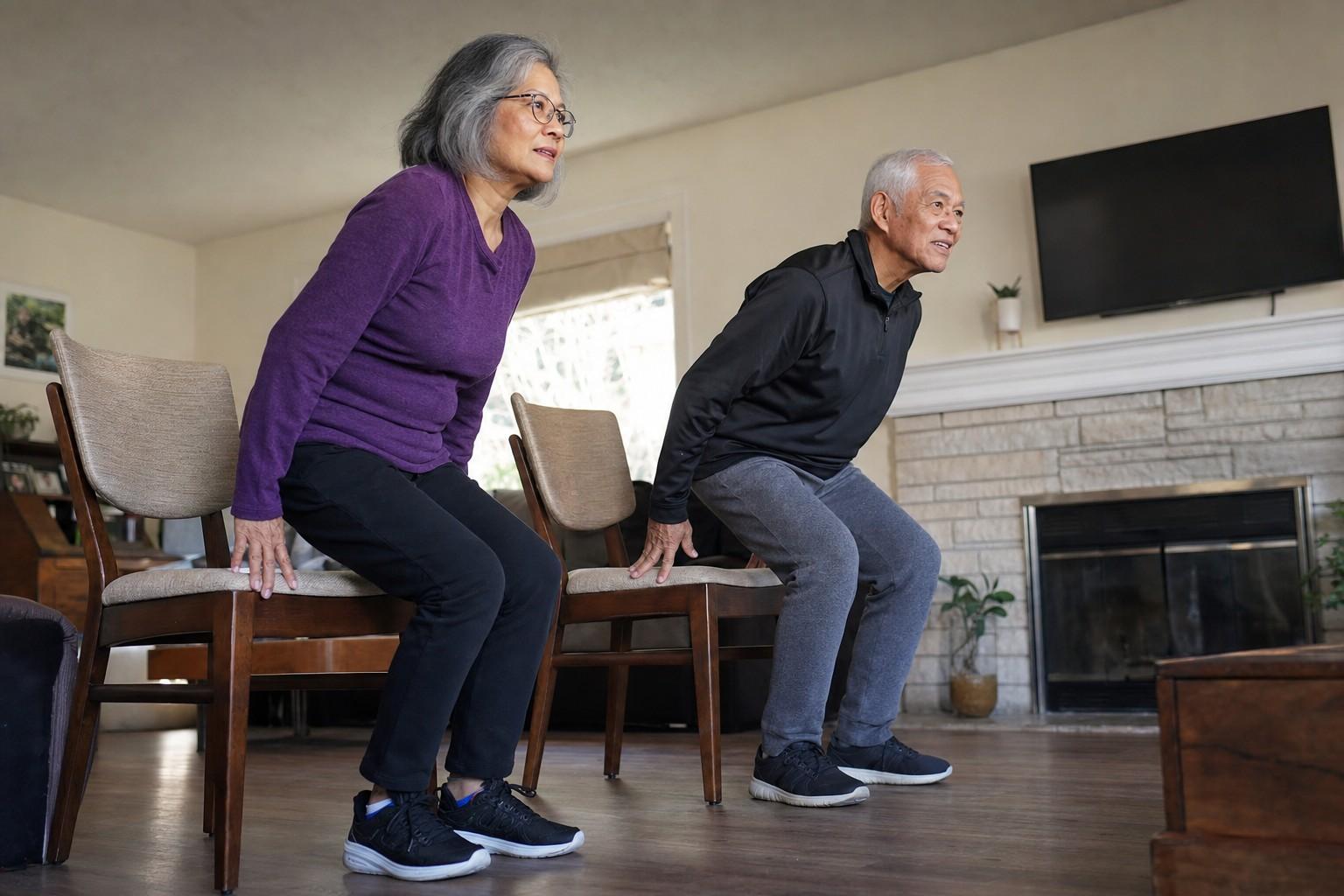
It may seem counterintuitive, but staying gently active through the day can bring appetite back a little.
Even a short walk before lunch or some light movement in the morning can help. If you are looking for somewhere to start, how to start walking for exercise as a senior is a straightforward guide that begins very gently.
A little regular movement is enough to make a difference.
When to mention it to your doctor
A gradually smaller appetite is common. But unintentional weight loss, or a noticeable drop in appetite that lasts more than a week or two, is worth raising with your GP or pharmacist.
They can check whether a medicine is playing a part, or whether something else needs a look.
Do not wait until it feels urgent.
Eating a little and often, choosing nourishing foods, and making meals something to look forward to can all help. Small, steady changes add up.
This is general information, not medical advice. If you have concerns about your appetite or weight, speak to your GP or pharmacist.