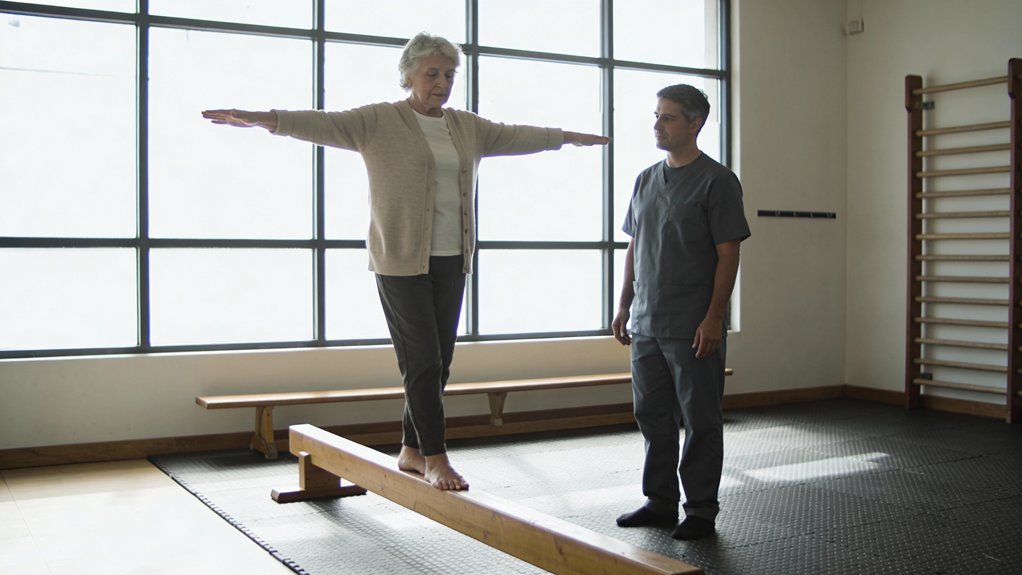
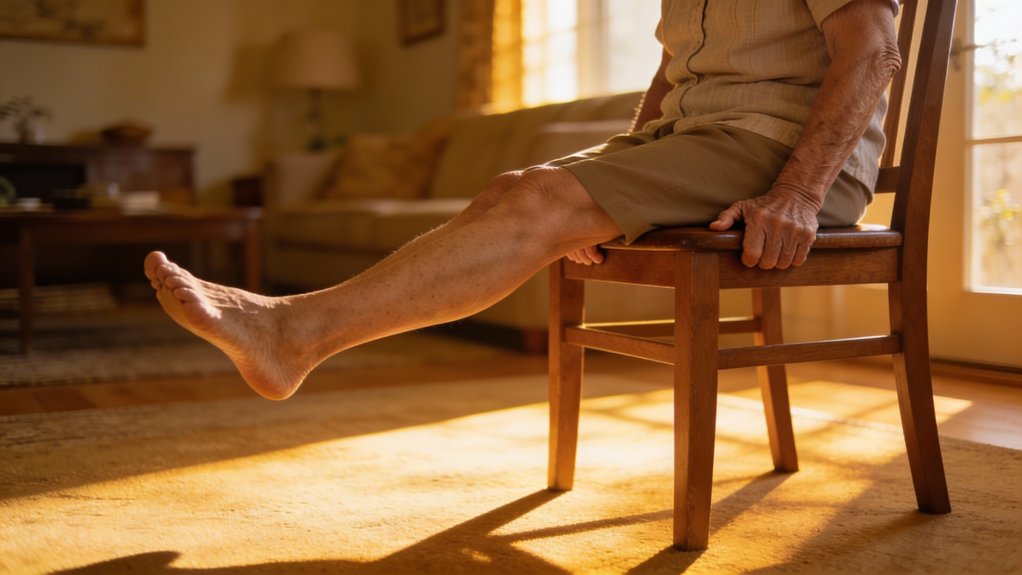
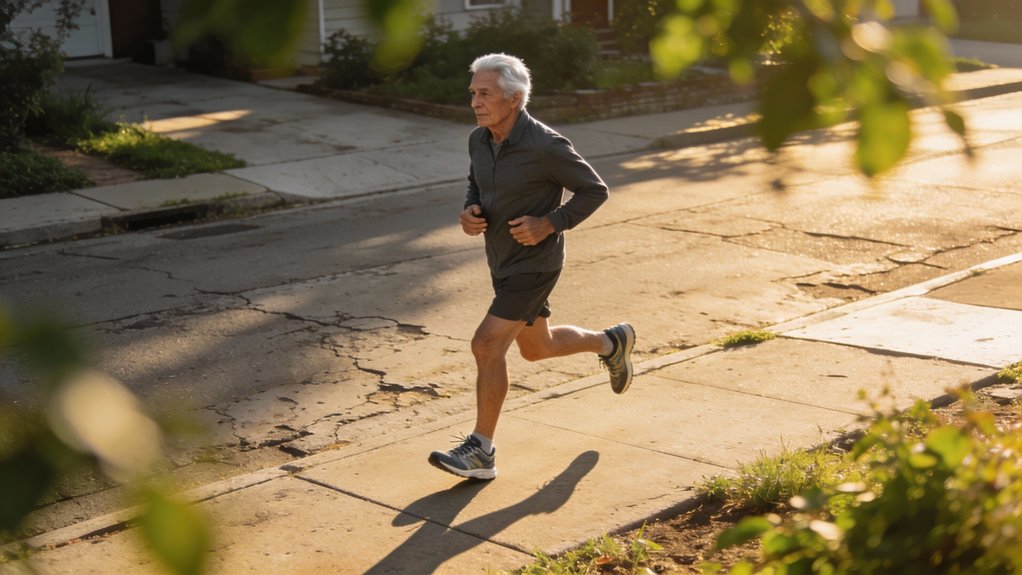
Before you lace up your shoes, before you map your route, before you commit to a routine, you’ll want to talk with your doctor first. A quick checkup catches potential issues and gives you the green light to proceed safely.
Once you’ve got clearance, you’re ready to take the first real steps, but here’s where most people stumble.
Check With Your Doctor First
Before you lace up your walking shoes, you’ll want to schedule a visit with your doctor.
Your healthcare provider can review your health screenings and identify any exercise limitations that might affect your routine. Tell them about any pain, stiffness, or mobility issues you’re experiencing.
If you’ve been inactive for months or years, this conversation becomes even more important. Your doctor can offer tailored recommendations based on your specific situation. Starting with a gradual progression plan helps prevent injury and builds your fitness level safely over time.
Regular check-ins afterward help monitor your progress and catch any emerging concerns.
This professional guidance guarantees you’ll walk safely and effectively toward better overall health.
Find Safe, Well-Lit Routes Near Home
Once you’ve got your doctor’s green light, you’re ready to pick where you’ll actually walk.
Start neighborhood mapping by identifying routes with consistent street lighting and wide sidewalks near your home. Look for paths free from obstacles like broken pavement or low branches.
Well-maintained parks offer excellent alternatives with dedicated walking trails. Check with local community groups, they’ll share which routes other seniors use regularly.
Prioritize route safety by avoiding heavy traffic areas. Select sidewalks at least five feet wide if you’re walking with a partner. Consider making simple home modifications to ensure safe transitions from your home to your chosen walking routes.
These thoughtful choices set you up for comfortable, secure exercise habits.
Get Comfortable, Supportive Walking Shoes
Your feet are the foundation of every walk you take, so they deserve shoes built specifically for that job.
Look for walking shoes with adequate cushioning, arch support, and non-slip soles. These shoe materials work together to reduce injury risk and enhance stability.
When shopping, try shoes later in the day when your feet are slightly swollen. This timing guarantees a better fit that accommodates natural foot size changes.
Consider shoes designed specifically for seniors, which feature lightweight materials and breathable fabrics.
For personalized foot health guidance, consult a healthcare provider or orthopedic footwear specialist. They’ll recommend shoes matching your individual needs.
Warm Up With a Few Minutes of Marching
A few minutes of marching in place is one of the simplest ways to get your body ready for walking.
You’ll gradually increase your heart rate and prepare your muscles for activity ahead.
Here’s what marching techniques and benefits overview offer you:
Marching in place enhances circulation, reduces injury risk, engages your upper body, and improves coordination before walking.
- Enhances blood circulation to warm legs and feet
- Reduces injury risk by easing your body into movement
- Engages upper body muscles when you add arm movements
- Improves coordination and balance through gentle introduction to exercise
- Requires about five minutes for adequate preparation
This warm-up approach helps your body shift smoothly into your main walking workout.
Start With Short Distances and Build Gradually
When you’re ready to walk, keeping things manageable at first makes all the difference. Start with ten to fifteen minute walks at a comfortable pace. This eases your body into the routine without overexertion.
Each week, add five more minutes as your endurance improves. Track your distance and time to monitor progress.
These records help you set achievable goals and celebrate accomplishments. Gradual progression prevents injury and builds sustainable habits.
Include rest days or lighter sessions for recovery. Your body adapts better with proper balance.
Listen carefully to what your body tells you. Adjust your routine as needed to prioritize comfort and safety.
The walking benefits develop steadily when you’re patient.
Walk at a Pace You Can Talk At
Finding the right walking speed matters more than you’d think. You’ll discover significant walking benefits by matching your pace to conversation ability.
Finding your ideal walking speed unlocks significant health benefits—match your pace to conversation ability.
Here’s how to nail your pacing strategies:
- Talk comfortably without gasping for breath during your walk
- Aim for moderate intensity where you can chat but not sing
- Feel warmth building in your body as you move
- Gradually increase speed as your fitness improves over weeks
- Monitor heart rate to confirm you’re working safely
This conversational pace keeps you motivated and engaged.
You’re more likely to stick with walking when it feels manageable and enjoyable.
As your body strengthens, you’ll naturally walk faster while maintaining that talk-friendly rhythm.
Dress in Layers and Bring Water
Two simple steps, layering your clothes and carrying water, make a huge difference in your walking comfort and safety.
Our layering techniques start with a moisture-wicking base layer that pulls sweat away from your skin. Add a lightweight middle layer for insulation.
Top it with a breathable outer layer you can remove easily. This approach lets you adjust as temperatures shift during your walk.
For hydration tips, bring a water bottle and drink before, during, and after your walk. Aim for small, regular sips rather than large amounts at once.
A lightweight backpack holds extra layers and your water bottle conveniently.
Add Variety to Your Walking Routine
As your body adapts to a regular walking schedule, you’ll find that the same route and pace can start to feel monotonous.
As your body adapts to regular walking, the same route and pace inevitably start to feel monotonous.
You can reinvigorate your walks by intentionally mixing things up. Try these approaches:
- Practice agility exercises like sideways walking or heel-to-toe steps to engage your brain.
- Add fartlek intervals: fast walking bursts followed by slower recovery periods.
- Engage in sensory engagement by focusing on sounds, sights, or smells around you.
- Listen to podcasts instead of music to distract from physical effort.
- Set specific goals like training for a walker-friendly local race.
These adjustments keep your workouts dynamic while helping you serve as an inspiration to others pursuing fitness.
Monitor Your Walking Progress Weekly
Once you’ve settled into a regular walking routine, tracking your weekly progress keeps you accountable and motivated.
Use a pedometer or smartphone app to count your daily steps, aiming for 7,000 to 10,000 steps.
Record your distance tracking and pace assessment each week to spot improvements in cardiovascular fitness.
Note your walking time alongside distance covered. Document how you feel after walks: energy levels, discomfort, or soreness.
Review these weekly observations to celebrate milestones like longer distances or more walking days.
This simple habit reinforces positive behaviors and helps you adjust your routine as needed for sustained progress.
Join a Walking Group or Find a Walking Partner
Walking alone’s fine, but adding a companion or group to your routine transforms the whole experience.
You’ll discover real walking benefits when you build social connections with others who share your fitness goals.
Consider these options:
- Join organized community programs at parks or malls for safe, structured exercise
- Find a walking buddy matching your fitness level for comfortable pacing
- Explore different routes with group members to add variety and excitement
- Participate in themed walks or fitness challenges for extra motivation
- Enjoy accountability that keeps you consistent with your weekly schedule
A partner or group provides encouragement you won’t find alone, making exercise sustainable and genuinely enjoyable.